





















BY REV FR GERALD NWAFOR
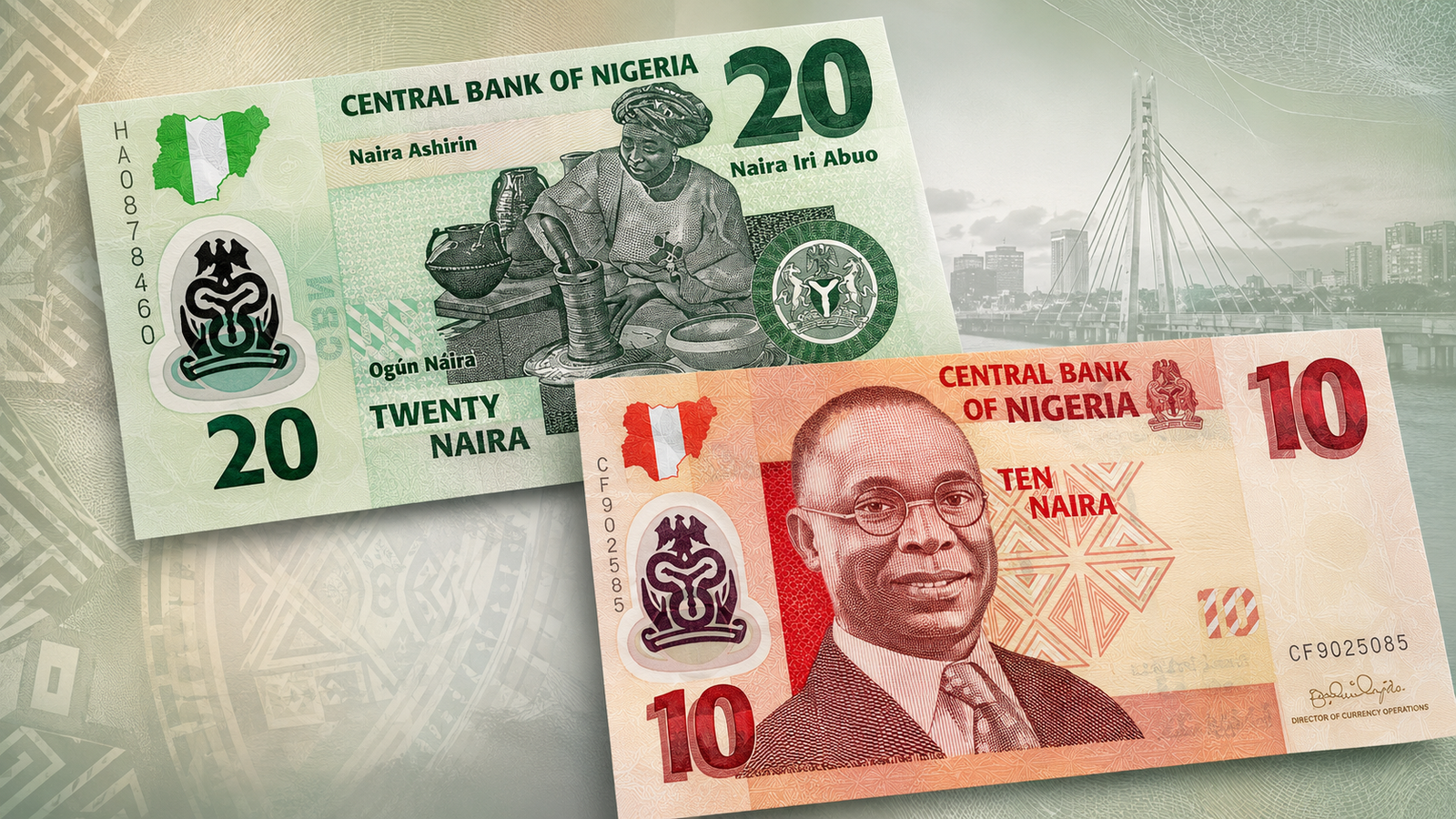
That was my mother’s salary in the 70s before the Udoji award in 1975 and 76 and it was increased to seventy Naira in 1978. I am not telling a fairy tale or a moonlight story because I saw the payslip and I saw the voucher, because my mother was the person writing the vouchers for all the teachers in her school. The point of this article was not the salary itself but the situation of the country at that time, compared with what we are going through right now.
With the thirty Naira my mother was able to take care of the day to day running’s of the house. We would always go to Ochanga market to grab a bag of rice, a bag of beans and a bag of garri. The seller always reminded us how rich our mother was because she was among the buyers who paid cash for her foodstuffs. I do not know how much my father was earning, but I remember him buying 100 bags of cement for the house we were building in the village. The seller was telling him that the price had increased to two naira fifty kobo. And my father said he would pay the old price because his salary could not afford the fifty kobo added, which was fifty naira then.
The generation that destroyed this middle class is still telling us to vote for them. On the thirty naira, we could also buy sandals from Bata shoe factory. We could buy provisions and beverages from Chanrise supermarket and pay our rent of one naira fifty kobo per room. The purchasing power of the thirty naira is what I am comparing to the purchasing power of seventy thousand naira today, which the teachers receive as salary. Today, the salary of a teacher cannot pay her rent. I do not want to go to the area of foodstuff because if you look at the price of a bag of rice, which is seventy thousand, you would simply know that it is not within the reach of a teacher anymore. Sometimes I wonder how the teachers survive in Nigeria today.
I have brothers who were in the prestigious Christ the King College; not one, not two, but my parents never complained about school fees. The power of thirty naira and the economic situation of Nigeria. Today, I do not know how the teachers survive because I still observe them struggling to make ends meet. The government of the day is not thinking about how to help the civil servants to have a living wage. The government is interested in how to stay in power forever and ever, even when all the odds are against them.Every Christmas we would go to an uncle’s to get some meat. I saw the book that recorded how much everyone contributed; it was one naira monthly, and at the end of the year the twenty families must have contributed twelve naira each, which will be about two hundred and forty naira for a cow. I do not have a problem with the price now but with the planning.
In today’s Nigeria, if you start contributing money for a cow in January, by December the price would have changed twelve times; the money would be worthless by the time you get to December. That program has since died because you cannot plan on anything now in Nigeria. The only thing you can plan for in Nigeria today is that the sun will rise tomorrow because it is not in the hands of the government. Any day the Nigerian government is in control of sunrise and sunset, just forget it. The petrol (PMS) which we use to buy for nine kobo was increased to fifteen kobo, and Mr. Paul will give us five naira with fifty liter-gallon to go and get fuel for his generator. When it was ten kobo, the five naira would fill the 50-liter gallon. We would also buy kerosene for his stove, which would be almost half the price. Today, a liter of fuel is almost one thousand five hundred Naira (1,500). And the teacher’s salary cannot even fill his tank if the teacher has a car given to her by a wealthy uncle or brother.
Sometimes I wonder how the people in the government circle sleep at night knowing that they are stifling the masses. I would not be surprised if Nigeria wakes up to a revolt one morning. The elites have taken the people for a ride for so long. There is no government today (state or federal level) whose son or daughter is schooling in a Nigerian school, primary, secondary, or tertiary. That was the reason why the government will be treating the schools and the teachers as non-consequential. My senior brother was in the same class with the children of Awolowo, the most influential figure in Western politics. I don’t think it is possible in Nigeria today to point out one governor in Nigeria whose kids are in a local school here in Nigeria.
Finally, January 2027 is around the corner, and we are about to go and vote for the government that we would like to lead us in the next four years. I have watched the campaign and the rhetoric of the people on both sides. The ruling party is asking us to give them our mandate. The opposition is asking us to give them a chance to govern. There are three people in the forefront of the race. I do not want people to make a choice based on religion, on tribe, or party but to look at the three major candidates and look at their past and make an informed choice.
One of them was a former vice president who privatized all the government property without appropriate accounting till today and almost lives in Dubai but comes into the country only during the election. The other person was a governor for eight years and is now the incumbent president. He promised us hope and electricity within four years, but now he is saying that he did not promise us anything but RE-NEWED HOPE. We are not fools, I would say. The third candidate has said that he was governor for eight years and that anyone can bring up any corruption charges against him, and if found guilty, he would stop campaigning. As governor, his state was mentioned as the best state in Nigeria, and Bill Gates’ award was given to him as the best government in applying the Millennium Development Goals. He has promised to be in charge and not live in France or Dubai.
So I will conclude like the former first lady of Nigeria, “Will you keep quiet?” No, please come out and vote for the best candidate on January 16th because this election is a referendum on the government of the day by the Nigerian people on who they want to be their president on May 29th, 2027.