

















Valentine Obienyem
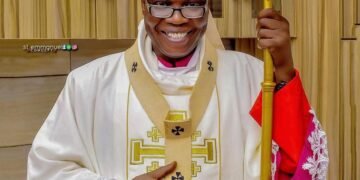
The Our Lady of the Assumption Cathedral, Nnewi is arguably the most beautiful cathedral in Nigeria. It was dedicated on Thursday. The Mass was led by Francis Cardinal Arinze as the principal celebrant.
Ordinarily, the dedication of a church within a diocese is the solemn duty of the diocesan bishop. The dedication of a cathedral, in particular, carries deep spiritual and symbolic significance, and every bishop naturally desires to perform it personally.
In this instance, however, Bishop Jonas Benson chose to delegate this sacred responsibility to Cardinal Arinze. Such a decision reflects both discernment and reverence, for Cardinal Arinze is widely regarded as one of the surviving Council Fathers of the Second Vatican Council. Out of nearly 3,000 Council Fathers, only a handful – about four – remain alive today, and he is among them.
Cardinal Arinze is also one of the few Nigerian priests who celebrated the Tridentine Mass. He holds the unique distinction of being the only Nigerian to attain the rank of Cardinal Bishop, while all others are Cardinal Priests or Cardinal Deacons. Observant faithful may recall that he was among the concelebrants at all the Masses during the conclave. Even today, whenever he is in Rome, he retains the privilege – unless otherwise determined – to concelebrate with the Pope.
In the grand constellations of ecclesiastical hierarchy, Arinze shines as a major star, rising through the ranks with distinction and commanding respect through wisdom, devotion, and commitment to the Church’s mission.
Bishop Jonas Benson, understandably, explained the reasons for inviting Cardinal Arinze as principal celebrant in Nnewi. He did so masterfully, affirming both ecclesiastical unity and the honour of the occasion.
Yet, personally, I believe that Francis Cardinal Arinze is sufficient unto himself. No justification is truly needed for his selection. In any liturgical gathering he attends today – except in the presence of the Pope – he deserves, by privilege, respect and by honour, to preside without anyone questioning the choice.
Had it been Peter Cardinal Okpaleke, Archbishop Valerian Okeke, Bishop Paulinus Ezeokafor, Bishop Matthew Hassan Kukah, or Bishop Godfrey Onah who were given that privilege, one might have sought an explanation: Was it because of Okpaleke’s cardinalate? Was it on account of Okeke’s metropolitan status? Was it because he served as an Auxiliary to Ezeokafor? Was it for what Kukah represents in Nigeria as a prophetic and courageous moral voice? Or was it because Onah is one of the voices Nigerians long to hear, given his intellectual depth and theological clarity? Such questions would have been natural. But for Cardinal Arinze, none is required. His presence and authority speak for themselves.