




















By Tobe Nneli
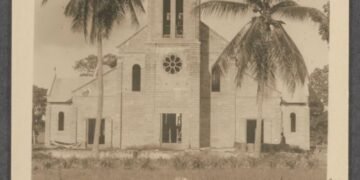
There are moments when history feels close enough to touch. I felt that recently when I saw an old photograph of what is today, the Basilica of the Most Holy Trinity in Onitsha, the mother church of Igbo Catholicism. The image appeared widely as the Church marked 140 years since the arrival of Catholic missionaries in Igboland. Although I joined the celebration virtually, the sense of grace and gratitude was unmistakable.1930: Holy Trinity Catholic Church, Onitsha.
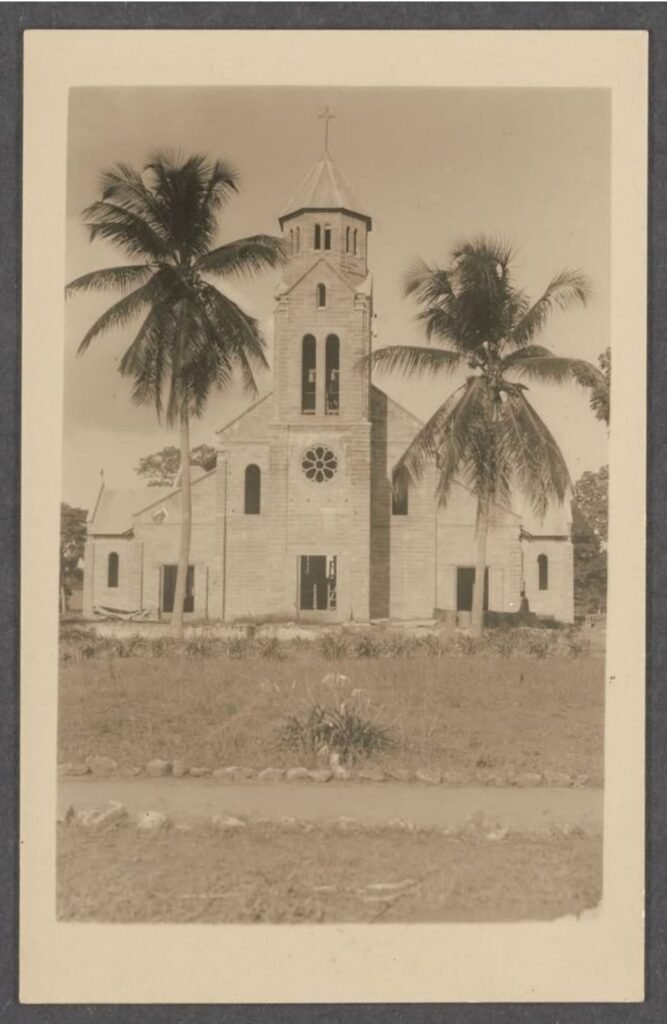
During the Mass, the Papal Nuncio to Nigeria, Archbishop Michael Francis Crotty, reflected on the humble beginnings of the mission, the struggles and perseverance of our fathers in faith and the extraordinary impact of their work. When Father Joseph Lutz arrived in Onitsha in 1885, he planted the seed, and when Bishop Joseph Shanahan took up leadership in 1905, he recognised that for the Gospel to flourish, education had to stand beside it. Schools, clinics, and mission houses followed, reshaping entire communities. Even in difficult times, including the Nigerian Civil War, the Church remained close to the suffering and continued to serve our people with courage. Thereby, our fathers in faith brought not only the Gospel of Jesus Christ but also a profound commitment to the dignity of the human person. They formed minds through education and protected lives through healthcare. Their mission was holistic, and it transformed the course of our history.
This anniversary, ably hosted by His Grace, Most Rev Dr Valerian Okeke, Archbishop of Onitsha and Metropolitan See of the Onitsha Ecclesiastical Province, served as a reminder that Igbo Catholicism is not simply a spiritual identity. It has shaped the development and destiny of our region. Today, the fruits of that early mission are visible everywhere. Nearly every diocese in the South East, and many in the South South, trace their origins to Onitsha and run some of the best schools and hospitals in the region. Yet the most powerful evidence of how deeply the Catholic seed has taken root is found in the rise of the laity as bearers of the missionary spirit. Families formed by the Church have become builders of churches, sponsors of seminarians, founders of schools and clinics and supporters of parish life. Their quiet acts of faith would surely make Shanahan proud, for they show that the mission has truly become ours.2025: Holy Family Catholic Church, Achalla, a project of VEN Foundation.
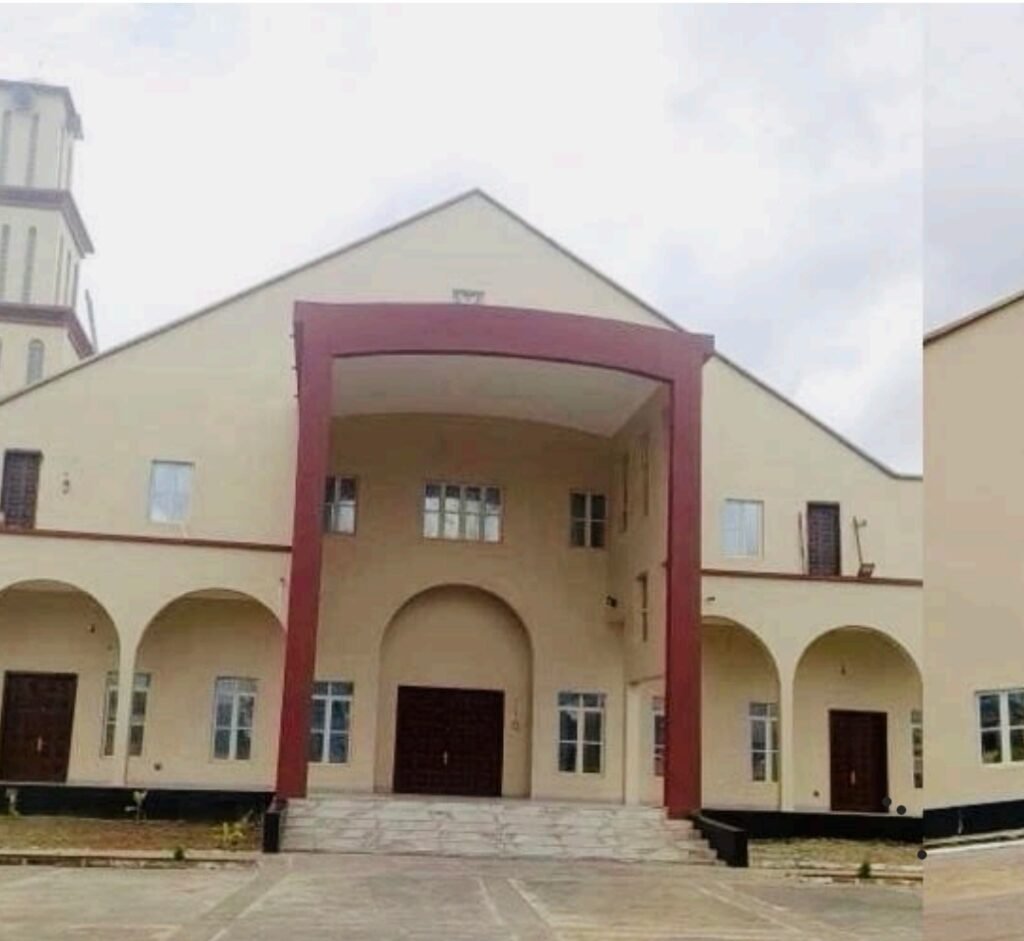
It is within this rich tradition that the work of the Vivienne Emma-Nwakanma (VEN)Foundation finds its meaning. Founded by the family of Sir Emmanuel Nwakanma, a Papal Knight of the Order of Saint Sylvester, the Foundation has chosen to serve its hometown, Achalla, Anambra State in a way that echoes the missionary spirit of our fathers in faith. Their contribution is not simply philanthropy. It is a living continuation of the mission handed down to us. For more than twenty years, they have strengthened Achalla and its surroundings through the same pillars that shaped Igbo Catholicism, namely faith, education, and health.
Through scholarships, the Foundation has supported many young people from secondary school to university and even postgraduate study. In health, it has provided weekly free clinics, medicines, consultations, and support for life saving medical interventions. In matters of faith, the family has supported parish life for many years, and this generosity has now culminated in the construction of the new Holy Family Catholic Church and its rectory in Achalla, a gift to God and His people that reflects their deep love for the Church.
When the new Holy Family Catholic Church is dedicated to God on the 28th of December2025, it will stand as part of a much older story. It will stand in continuity with 140 years of missionary labour, sacrifice, and grace. It will also stand as a reminder that the work of building the Body of Christ belongs to us all.
The contrast between the old church building in Onitsha and the new Holy Family Church in Achalla is striking, yet the connection is unmistakable. From a simple mission station by the River Niger to a new parish church built by the hands of lay faithful, the story of our region’s Catholic journey feels whole in that comparison. It is a story of faith handed down like a sacred torch.
As we look to the future, may we be inspired by the example of those who came before us and those who serve today. May their legacy encourage many more families to rise, to build and to strengthen the Church in our time.
Tobe is a doctoral candidate in Politics at King’s College London.