



























By Charles Igwe
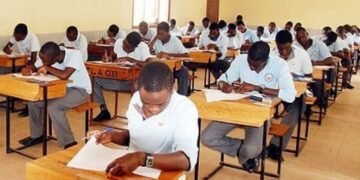
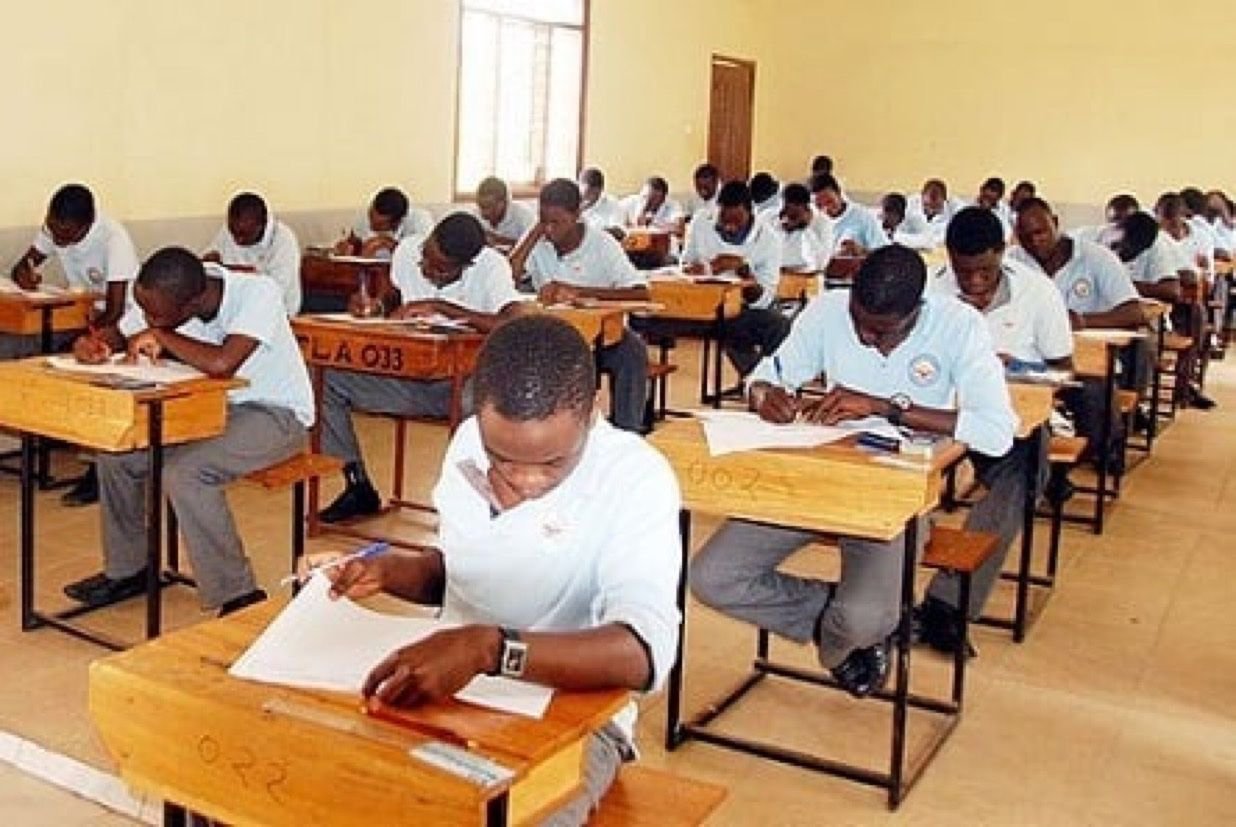
The recently released results of the 2025 West African Senior School Certificate Examination (WASSCE) have sparked a wave of concern across Nigeria, as data reveals that only 38.32% of candidates obtained credit passes in both English Language and Mathematics. This stark statistic, announced by the Head of the Nigeria National Office of the West African Examinations Council (WAEC), Dr. Amos Josiah Dangut, casts a shadow over the nation’s educational progress, especially in two of the most essential subjects that serve as prerequisites for further academic and career opportunities.
According to WAEC, out of the 1,814,344 candidates who sat for the examination, only 841,283—less than half—secured the minimum five credits including English and Mathematics. This year’s performance, although slightly better than that of 2022, has highlighted persistent issues in Nigeria’s educational system, including the quality of teaching, student preparedness, and infrastructure deficits. Despite the increase in the number of candidates who sat for the exams compared to previous years, the fundamental challenge remains: the inability of the majority to meet the basic academic requirements for tertiary education.
Dr. Dangut disclosed that there were cases of examination malpractice, though efforts had been made to minimize their impact. Additionally, he affirmed that results for candidates from eight states who still owe registration fees have been withheld pending resolution. This financial bottleneck underscores the socio-economic inequalities affecting access to education, especially in states where governments struggle to meet their financial obligations.
While WAEC confirmed that a total of 1,692,137 candidates—approximately 93.27%—had their results fully processed and released, the low pass rate in the core subjects continues to raise pressing questions. The widespread inability to secure credits in English and Mathematics means that many students will face limited options moving forward, especially with regards to university admission or securing meaningful employment.
Education stakeholders and policymakers are now under renewed pressure to confront the underlying problems hampering student performance. There is growing consensus that systemic reforms are necessary, not only in the curriculum and teaching methodologies but also in teacher training and educational funding. The recurring pattern of poor performance in WASSCE reflects broader issues within the system—ranging from overcrowded classrooms and under-resourced schools to a lack of motivation and effective mentorship for students.