























By Charles Igwe
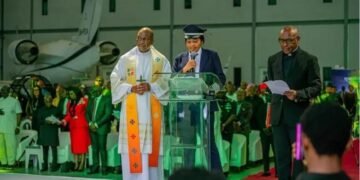
The Catholic Bishops Conference of Nigeria (CBCN) has called for a return to regional governance, asserting that 25 years under the presidential system have failed to benefit the nation. The bishops voiced their concerns during the opening ceremony of the 2nd CBCN Plenary Meeting in Auchi, Edo State, where they also lamented the alarming levels of corruption, the country’s massive debt burden, and the widespread hunger afflicting the population.
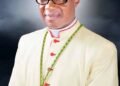
In his address, CBCN President, Archbishop Lucius Ugorji, criticized the recent violent turn of the #EndBadGovernance protests, acknowledging the violence but defending the constitutional right of Nigerians to protest. He condemned the security forces’ crackdown on protestors and expressed distress over the recent kidnappings of Catholic medical students in Otukpo, Benue State.
Archbishop Ugorji argued that Nigeria’s socio-economic issues are too complex to be solved by economic reforms alone, no matter how well-intentioned or carefully implemented. He pointed out that the cost of maintaining the current presidential system, imposed by the military, is “staggering and unsustainable.” He also highlighted the pervasive corruption among politicians, which is exacerbated by the concentration of national resources at the federal level.
Reflecting on Nigeria’s past, Ugorji suggested that it might be time to revisit the regional system of government envisioned by the nation’s founding fathers or consider devolving power to the current six geo-political zones. He emphasized that after over two decades of struggling with the presidential system, the country should consider the advice of its best minds advocating for a return to regional governance.
Drawing parallels between President Bola Tinubu’s current economic reforms and the Structural Adjustment Programme (SAP) of General Ibrahim Babangida, Ugorji cautioned that such reforms could lead to similar social and economic turmoil. He recalled that despite Babangida’s efforts to soften the impact of SAP through various initiatives, the program ultimately failed, leading Babangida to admit in 1992 that Nigeria’s economy had defied conventional solutions.
The Archbishop urged President Tinubu’s administration to review its economic policies with an openness to contributions from respected experts, warning that without proactive measures, the nation’s mounting challenges—including a $2.25 billion loan from the World Bank in June 2024, which raised Nigeria’s public debt to $93.7 billion—could escalate into a severe crisis. He stressed the need for urgent action to address these issues before they spiral out of control.